Projects

My projects

Everything I'm building, have built or am still imagining. Code, music, communities.

Bob le développeur
Focus

Bob le développeur

EntrepreneurshipDevelopment

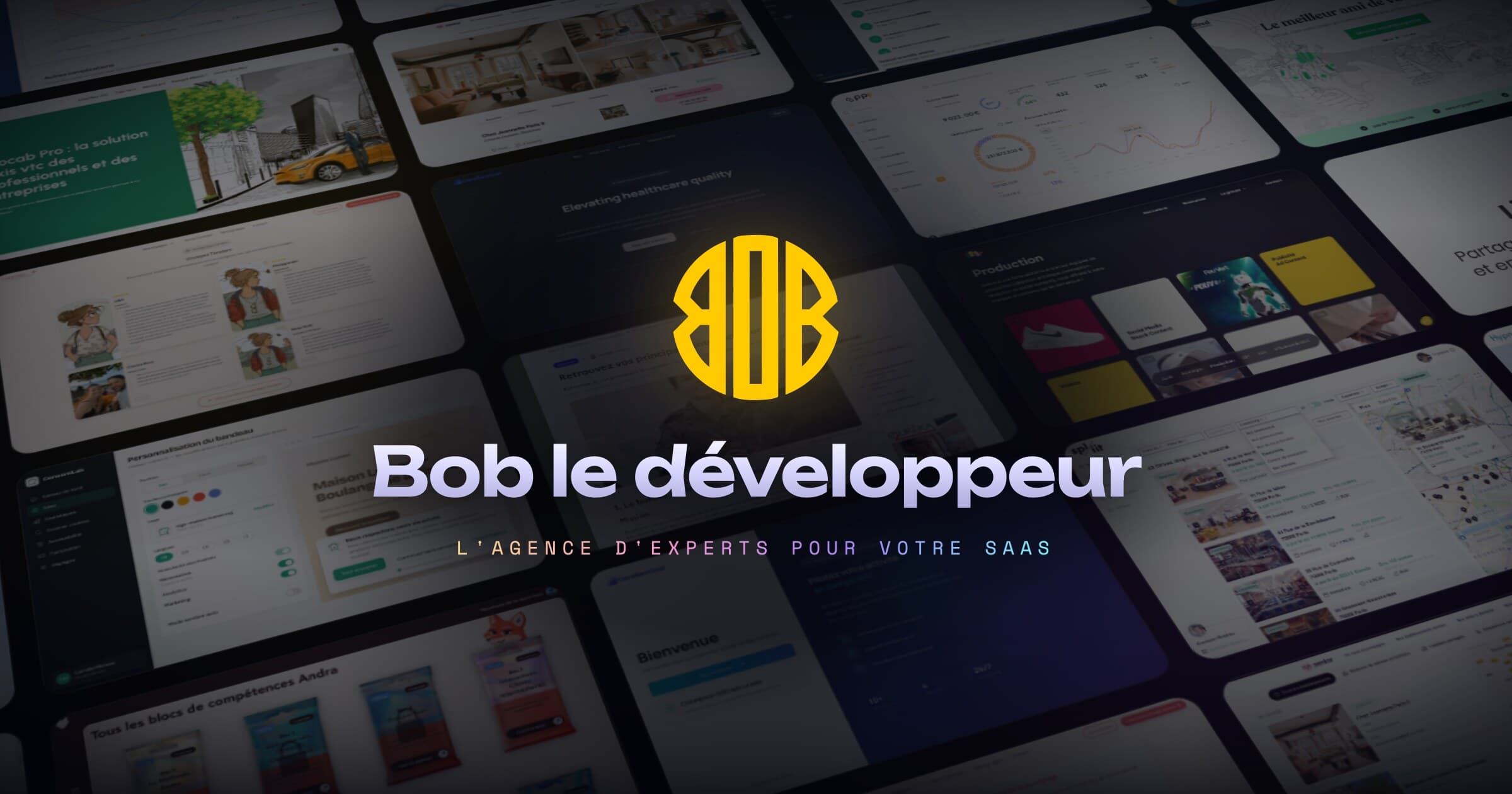
Bob le développeur wasn't born from a business plan, but from a deliberate choice after my startup exit in 2018: keep creating, but without investors, without a board, without corporate constraints. Just an agency that runs like a tech startup. I co-founded Bob with Paul Achard and Alexandre Dairay. Remote-first from day one, a 100% senior team, organic growth through bootstrapping. We don't sell man-days, we solve problems. Our clients? Mostly startups and innovative SMEs in e-health, PropTech and EdTech. Sectors where code has a concrete impact, not just gimmicky features. Among our clients, we've delivered for AP-HP, Carbonfact, Spliit, RC Strasbourg... Every project is a complex puzzle to solve, exactly the kind of challenge that stimulates me intellectually. Bob isn't my "day job that pays the bills", it's my permanent technical playground. Right now, my focus is building BobOS, our human-first, AI-assisted agency operating system, to systematize our quality standards, create solid, reusable patterns and practice craftsmanship augmented by AI. Every client project becomes a chance to learn, to sharpen my understanding of systems, to test new approaches. Simple projects bore me: if your need can be solved with a WordPress site, I'll tell you straight. But if you have a real technical challenge, an ambitious product vision... then we speak the same language. The Bob model is entrepreneurship as I see it: financial independence, technical excellence, concrete impact, zero bullshit. No need to raise millions: just satisfied clients, products that work, and the freedom to choose who we work with.

View project
Linkeat
Focus

Linkeat

EntrepreneurshipStartupApp

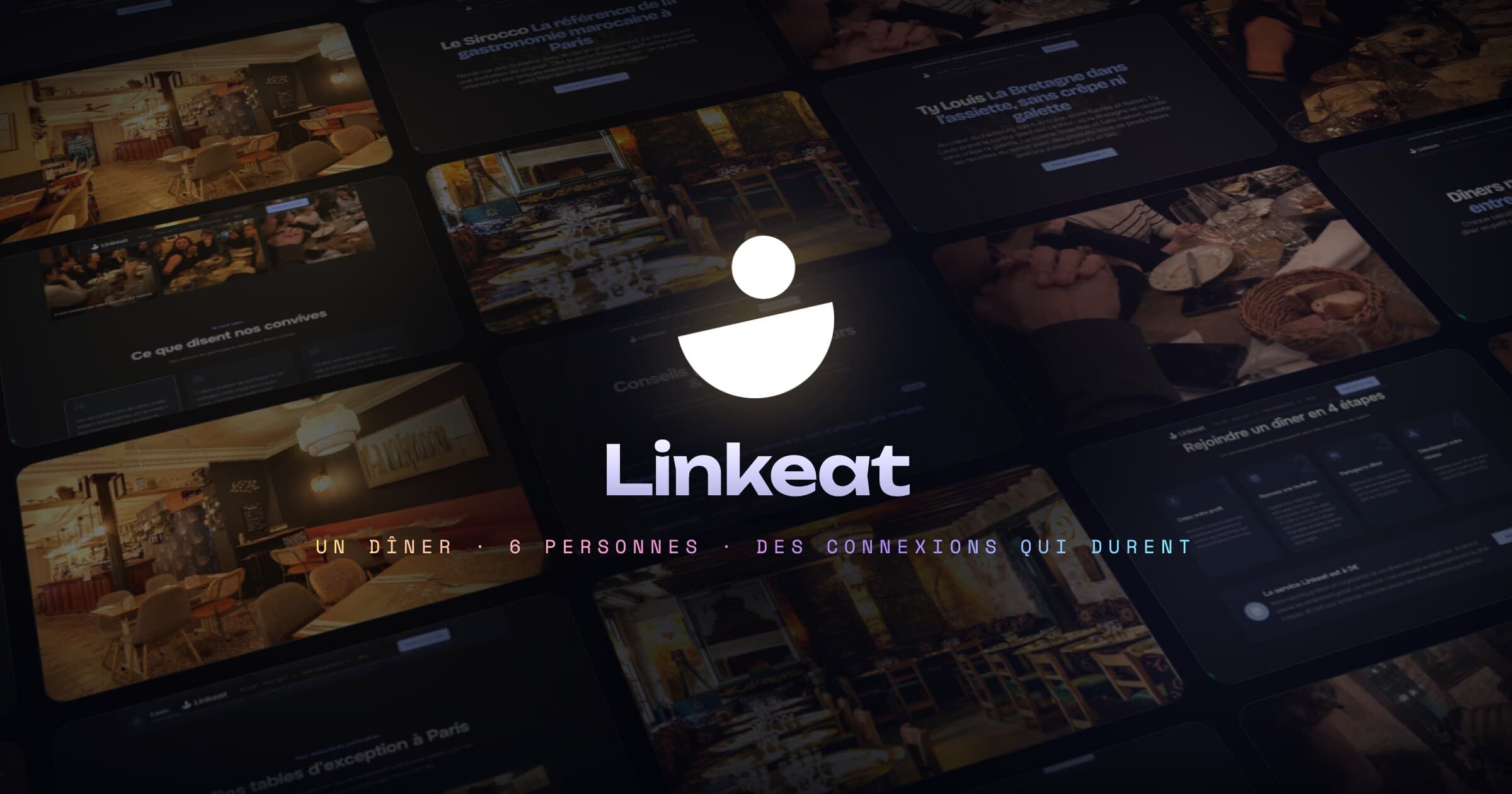
Linkeat is my anti-networking event. Because I'd had enough of startup drinks with 50 people where everyone collects business cards and never remembers who's who. Enough of the entrepreneurial bullshit, the shallow three-minute conversations, quantity raised to a dogma. I created Linkeat on a simple conviction: real connections are made around a table, through deep conversations, not in a rush with a slice of pizza in hand. The concept? Matched dinners for entrepreneurs and freelancers looking for real conversations. 6 to 8 people at most, selected for the quality of their background and their open-mindedness, not for their number of LinkedIn followers. We eat well, we talk honestly, we dig deep. No sales pitch every five minutes, no timed speed networking. Just interesting people sharing their challenges, their failures, their thinking. The kind of evening where you leave with two or three contacts who really matter, rather than 30 profiles you'll have forgotten by tomorrow. I'm happy to be at the dinners myself, alongside my partner Adam Davidovic, co-founder of Linkeat. Because Linkeat is also a social laboratory for me. I watch the group dynamics, I test formats, I refine the curation. Every dinner teaches me something about how people really connect, beyond professional façades. And incidentally, it feeds my understanding of human systems, the same fascination that fuels my writing and the way I approach the products I work on. Currently in an active promotion phase, I'm building visibility on LinkedIn (because the right people do need to find us) while keeping the founding spirit: depth over growth at all costs. Linkeat will never be a networking giant. That's deliberate. Because the real value lies in the intimacy of the format, not in scale.

View project
Exploreum
Focus

Exploreum

EntrepreneurshipDevelopment

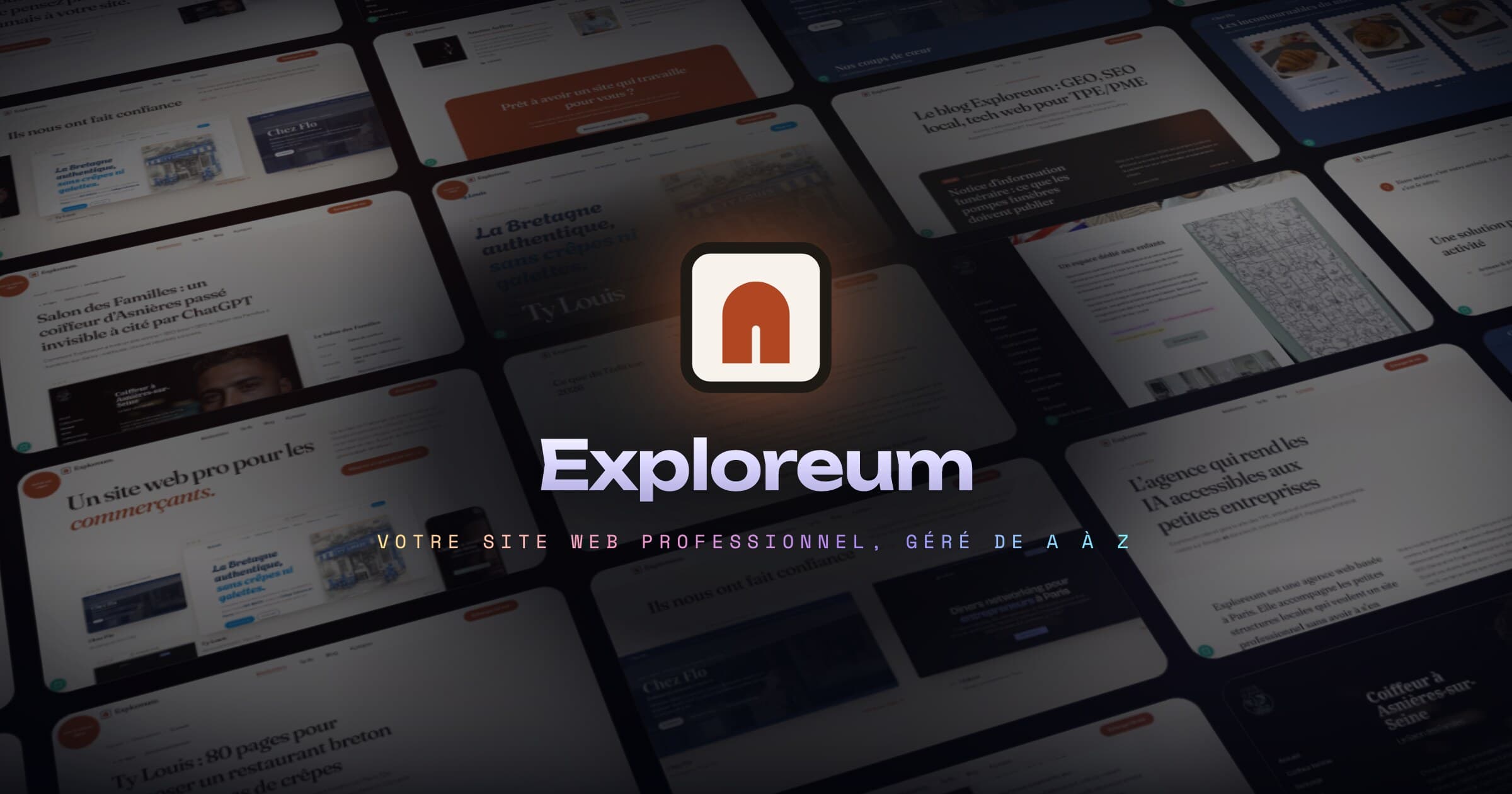
Exploreum is the web agency I co-founded with Adam Davidovic for small businesses: tradespeople, shopkeepers, restaurant owners, independent professionals, non-profits. People who are excellent at their craft, and who usually get sold a website costing several thousand euros that they never open again. Our promise fits in one sentence: a professional website, managed from A to Z. The model breaks the classic agency pattern. No big upfront check: low setup fees, then a subscription starting at €99 per month. Everything is in it: design and build, hosting, security, updates, the Google Business listing, local SEO and unlimited changes. Opening hours that change, a photo to replace, a price to correct? The client tells us, and it's done. And a brochure site is delivered in 5 to 7 business days. My ground is development and search visibility, with one obsession: making our clients visible where their own customers now search, on Google but also in AI tools like ChatGPT or Perplexity. Adam is the clients' day-to-day contact. A hairdresser in Asnières, a Breton restaurant in the 12th arrondissement, a bakery in the 13th: every site is built to be found, not just to look good. What I love about Exploreum is the direct impact. A neighborhood business becoming visible when people search for it shows right away. It's the same principle as everything else I build: understand how a system works, here local visibility, and make it work for people whose job it isn't. Running a website is a job. Just not theirs.

View project
ConsentLab
Live

ConsentLab

StartupApp

ConsentLab is the cookie banner we built at Bob le développeur because we were tired of paying a fortune for a simple banner. As an agency, we were handling cookie compliance for dozens of client sites, and every platform on the market charged per domain: one client, one site, one subscription. We looked for the tool we would have wanted to use. It didn't exist. So we built it. The stance is simple: charge per session, not per domain. One account, as many sites as you want, and a free plan that is a real product: 5,000 sessions per month, unlimited domains, no credit card. The banner installs in two minutes with one line of code, weighs less than 13 kB and blocks tracking scripts until the visitor has made a choice. It is compatible with Google and Microsoft Consent Mode v2, comes in more than 25 languages and is available as a plugin for WordPress, PrestaShop and Shopify. Around the banner, everything you need to stay compliant without thinking about it: consent statistics, export of consent records in case of an audit by the CNIL (the French data protection authority), a cookie scanner, data hosted in France. And an offer designed for agencies, who manage all their clients' sites from a single dashboard. ConsentLab first ran on our own clients' sites before being opened to the public. It's the project where the agency becomes a software publisher. My partner Alexandre leads the development; I work on positioning, SEO and content, down to the free legal document generators. I find in it what I love in everything I build: starting from a problem lived from the inside, and solving it properly for those who share it.

View project
1croyable Beats
Live

1croyable Beats

Music

I've been making instrumentals for more than 10 years. Rock, emo rap, epic orchestral; whatever crosses my mind ends up taking shape as music. 1croyable Beats is not a side project to pay the bills or an attempt to break into the music industry. It's another facet of my creativity, a parallel space for expression where I can explore composition, sound design and raw emotion without the constraints of code or prose. On BeatStars, I sell my instrumentals to artists looking for original production. Emotion-soaked emo rap beats, energetic punk instrumentals, cinematic moods. Every beat is a sonic world built with the same rigor as my tech projects: solid architecture, attention to detail, artistic coherence. On Gumroad, I offer sound design: unique samples and VST synth presets I've crafted over the years. Tools for other producers who want to get away from prefabricated sounds. I also work directly with artists on their albums. Not as a "beatmaker who throws out 50 generic instrumentals", but in true co-creation: understanding their world, building custom production, refining until it serves their vision perfectly. It's fascinating to see how psychology applies here: every element (kick, melody, arrangement) shapes the listener's emotion. Exactly the kind of puzzle I'm passionate about. 1croyable Beats is my creative outlet. When code or writing wears me out, I compose. When I need to create without a client brief, I produce. And seeing artists make my instrumentals their own, turning them into something new... that's exactly what moves me: creating from nothing, then watching the real impact on people.

View project
Hit Producer Stash
Live

Hit Producer Stash

MusicEntrepreneurship

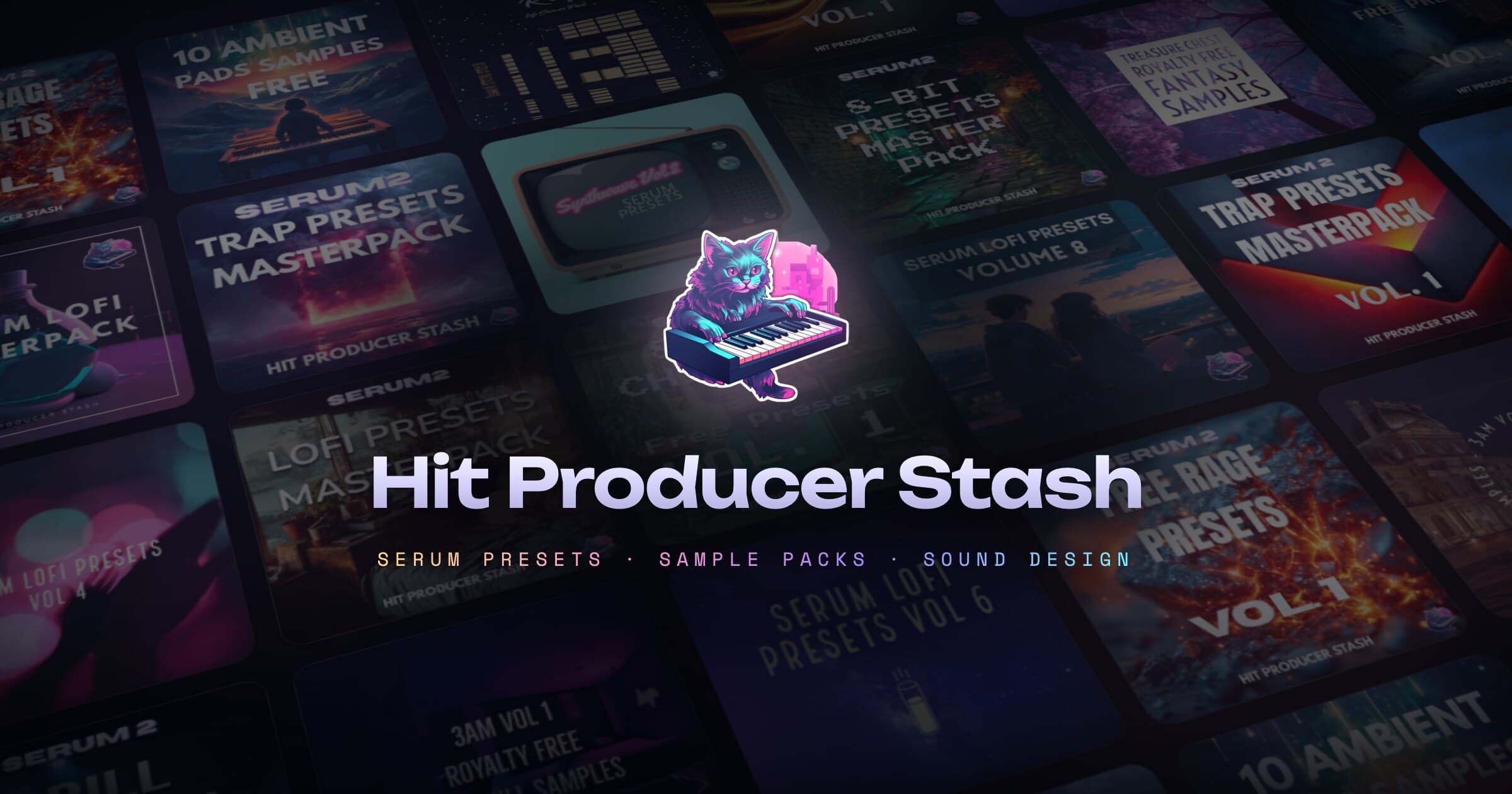
Hit Producer Stash is my sound design store for producers. Presets for Serum and Serum 2, sample packs, MIDI patterns: sounds sorted by genre and ready to drop into a track. Lofi, trap, synthwave, 8-bit, drill, rage, amapiano... Each pack starts from a precise color, not a catch-all of 500 presets of which you'll only ever use three. The catalog now counts 45 products on Gumroad, more than thirty of them free. That's deliberate: I'd rather have a producer try my sounds, put them in a track, then come back for a Masterpack already knowing what it's worth. The result: more than 18,000 followers and a 4.8 out of 5 rating across more than 230 verified reviews. And the store keeps running while I build other things, with dozens of downloads every week. What I enjoy here is the same puzzle as in code. A preset is a small system: oscillators, filters, envelopes, macros. Understanding why a pad sounds warm or why an 808 cuts through the mix, reproducing it cleanly, then making it playable with a few well-tuned macros... that's exactly the kind of mechanism I love taking apart. Right now, I'm relaunching the catalog with a new generation of packs for Serum 2. The idea hasn't changed: simple tools, designed by a producer for other producers, that save you hours of tweaking so you can spend that time on your music.

View project
Clairr
Live

Clairr

App

Clairr is my personal answer to a problem I've had for years: how do you really learn and retain what interests you? Wikipedia is fine for looking things up, even if its quality has declined over time. MOOCs are fine for following along. But no tool lets you learn actively and truly connect pieces of knowledge with one another. So I built my own. The concept? An AI-augmented encyclopedia that works the way my brain works. I generate entries on any subject with carefully prepared prompts, I enrich them by hand, I create links between concepts, and I anchor them in my memory through spaced repetition. Literature, neuroscience, sociology, history... Thousands of notions interconnected by tens of thousands of links. No entry lives in a silo: each one is in dialogue with the others. The graph view isn't cosmetic. It's the heart of the system. Seeing how the notion of "Narrative arc" connects to "Revenue" in fewer than 3 steps... is understanding how knowledge cuts across fields. It's exactly what classic encyclopedias lack: the living concept map of how everything interconnects. Technically, Clairr is built on Obsidian, published as a web app. But beyond the stack, it's a laboratory for augmented learning: AI to draft the entries, a human brain to validate and connect, spaced repetition to make it stick. The best of both worlds: the speed of AI and the rigor of human learning. Exactly my philosophy on how to use AI intelligently: not to replace thinking, but to amplify it.

View project
Markforge
Live

Markforge

AppDevelopment

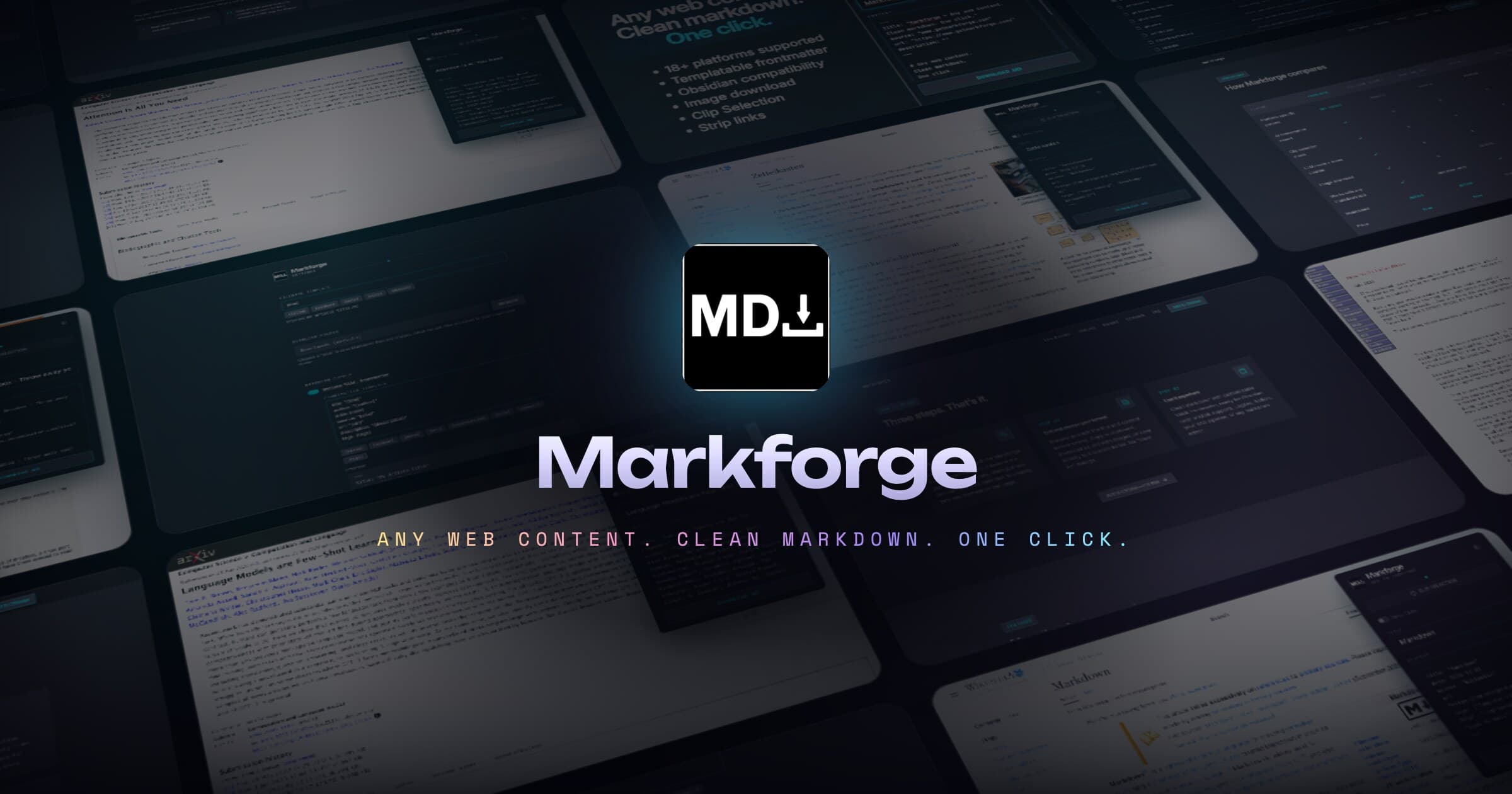
Markforge is my Chrome extension that turns any web content into clean markdown, in one click. It came out of a daily annoyance: I was spending 15 to 20 minutes a day reformatting web content for my Obsidian vault and my LLM workflows. I tried every clipper on the market. None of them understood that a tweet doesn't convert like an article. So I built my own. The difference comes down to one idea: not a generic converter, but a dedicated extractor per platform. More than 18 so far: X threads, Reddit discussions with their nested comments, ChatGPT, Claude, Gemini or Grok conversations, GitHub repositories, Stack Overflow, arXiv, Wikipedia, Hacker News... Each one understands the structure of the page and pulls out what matters, with consistent YAML frontmatter, images downloaded locally and a file ready for Obsidian, Logseq or any markdown editor. There's also an LLM mode. Because pasting a raw web page into Claude or ChatGPT means feeding it navigation bars, ads and tracking scripts. In the example I show on the site, a 41,200-token page drops to 1,847: 95.5% less, with a real-time token counter, before and after. Markforge is free, needs no account, and all processing happens locally in the browser: nothing is sent to a server. I use it more than 30 times a day. Every article I read, every thread I want to keep, every conversation with Claude worth saving: one click, clean markdown, in my vault. It's how I think a tool should be made: solve a real problem, mine first, then make it available to everyone.

View project